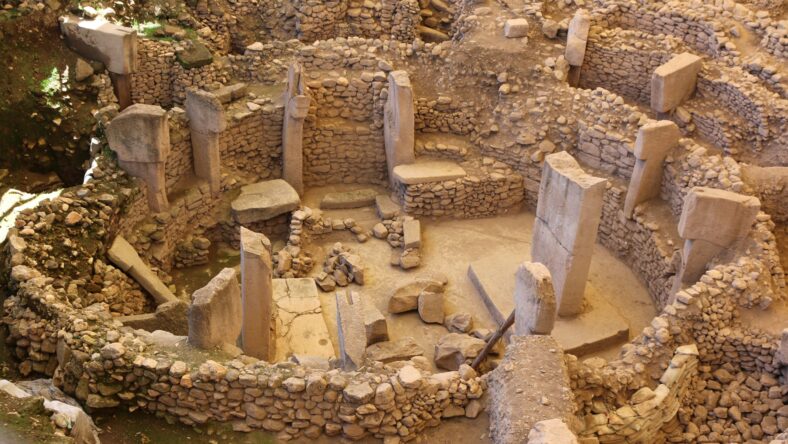
Nearly 13,000 years ago, carvings were etched into a large stone pillar at Göbekli Tepe, an archaeological site in southern Turkey.
According to researchers, they could be evidence of the oldest lunisolar calendar in the world. The calendar may have been carved to mark a comet strike that hit Earth and triggered a mini-ice age.
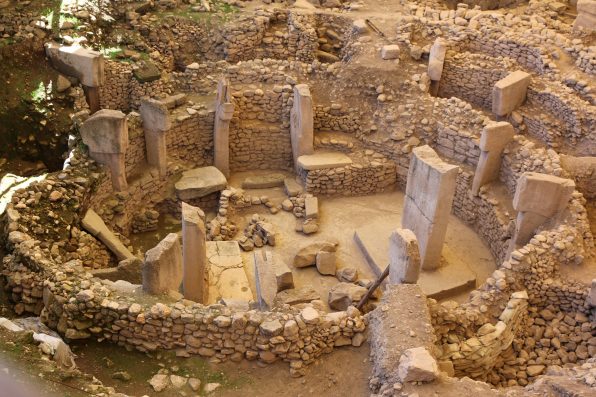
Göbekli Tepe is often referred to as the first temple in the world. The complex consists of several enclosures decorated with intricately carved symbols. It was discovered in the late 20th century and is situated on a hill that is located near the historical city of Urfa.
The stone pillar contains 365 V-shaped symbols. It is believed that each “V” stands for a single day, with the entire calendar representing 12 lunar months with an additional 11 days.
There was also a drawing on the pillar of a “bird-like beast” with a V shape carved around its neck. The drawing may have stood for the summer solstice constellation at the time it was made.
The symbolic V-shaped engravings were likely made in 10,850 B.C. when a comet struck the Earth. They show that these ancient people were capable of recording their observations of the sun, moon, and stars with a solar calendar.
The researchers think that the impact of the comet caused significant environmental changes, triggering a 1,200-year ice age that led to the extinction of many megafauna, such as steppe bison, mammoths, and other large mammals from the Pleistocene era.
The event may have even spurred a cultural shift within Göbekli Tepe by initiating a new cult or religion. In addition, it may have prompted the transition from a hunter-gatherer lifestyle to agriculture in order to better deal with the cold climate.
Evidence of the comet strike has been found in soil sediments in North America and Greenland. At these locations, high levels of platinum, nanodiamonds, and other materials altered by extreme temperatures were detected.
The findings indicate that the comet strike had a global impact, dramatically changing the climate and giving rise to the beginning of human civilization.
To further support this discovery, the researchers pointed to another pillar at Göbekli Tepe, which depicted the Taurid meteor stream that lasted for 27 days. It is likely the source of the ancient comet strike.
The ability to record such astronomical observations predates the first documentation of the wobble in the Earth’s axis by Hipparchus of ancient Greece by at least 10,000 years.
“It appears the inhabitants of Göbekli Tepe were keen observers of the sky, which is to be expected given their world had been devastated by a comet strike,” Martin Sweatman, a scientist and leader of the research team from the University of Edinburgh, said.
It is possible that their documentation of their observations was the stepping stone to the development of writing thousands of years later.
Sign up for Chip Chick’s newsletter and get stories like this delivered to your inbox.

By Emily Chan
Emily Chan is a writer who covers lifestyle and news content. She graduated from Michigan State University with a degree in... More about Emily Chan