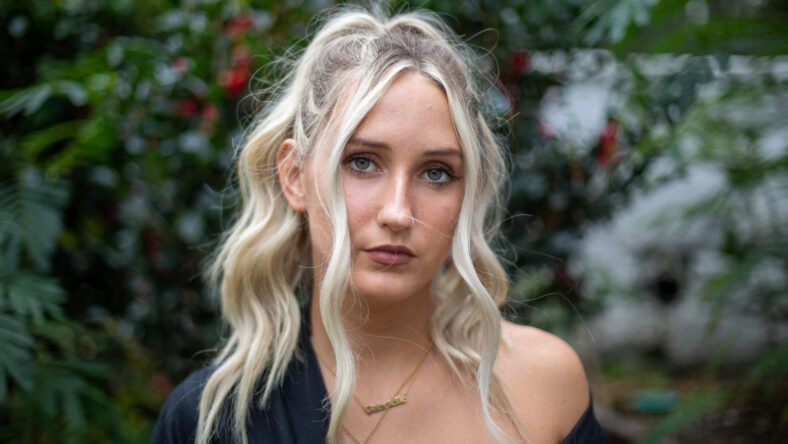
A 36-year-old ADHD coach from Arizona named Kendra Hilty (@kendrahilty) posted a series of videos on TikTok about how she fell in love with her psychiatrist, and she totally went viral.
She fell in love with her psychiatrist and confessed her feelings for him. Instead of ending their professional relationship, he kept her as a patient until she was finally brave enough to leave him.
“I would really like to discuss what happens when we fall in love with our mental health professionals, and most importantly, the fact that there are so many people, especially men, who are emotionally dead inside,” said Kendra.
“They feel called to going into psychiatry and therapy, so they don’t have to feel their feelings, but they can feed off the vulnerability of their mostly female patients.”
She stated that her psychiatrist had been manipulating her into falling in love with him. Kendra also claimed that she had confided in a different therapist.
This therapist reportedly crossed boundaries and started texting her in between their sessions, asking for advice about treating other clients.
In addition, Kendra had been using an AI bot named Henry as part of her therapy. Henry opened her eyes to the concept of countertransference, which is when a clinician develops romantic feelings for their client.
Her videos have amassed millions of views. She knew there would definitely be bullies in her comments section, but she didn’t expect to see so much negativity directed toward her.
Some friends have told her that people have been going off about how she must be in a manic state. She also received messages containing new articles about psychosis and AI psychosis.
Sign up for Chip Chick’s newsletter and get stories like this delivered to your inbox.
In a follow-up video, she clarified that her mental health was better than ever.
She knows about AI psychosis, so she always makes sure to understand when these language learning models are lying to her or are skewed in her favor.
She pointed out that her psychiatrist had also witnessed her interacting with language learning models, and if he was worried about what was going on, he would’ve diagnosed her or taken away her medication.
“My psychiatrist may have been very manipulative and used our relationship for his own gain, but that doesn’t make him bad at his job,” Kendra said.
“He was actually quite good at his job, and I don’t think he would appreciate people coming on here and diagnosing me. He cared about me, and he understood my mental health.”
Kendra is also no stranger to violent threats online. For instance, some people called her names and told her that the world would be better off without her in it.
While she has received plenty of harsh criticism over her story, she has also experienced an outpouring of support.
Her supporters praised her for coming forward and felt inspired by her courage, which has made all the negativity worth bearing. Overall, she noted that her content was geared toward those who interact with her story in a genuine way, not the haters.

By Emily Chan
Emily Chan is a writer who covers lifestyle and news content. She graduated from Michigan State University with a degree in... More about Emily Chan