During her lifetime, Marie Laveau was a force of nature. She was both revered and feared by many people. She became known as the Voodoo Queen of New Orleans due to her spiritual insights and mystical practices.
Marie was born on September 10, 1801, in New Orleans. She was descended from enslaved Africans and French colonists, the first in her maternal line to be born a free woman of color. Her roots can be traced back to her great-grandmother Marguerite.
Marguerite was born around 1736 and was transported from Senegal to Louisiana on the St. Ursin, the last French slave-trading vessel, in 1743.
Marguerite was enslaved by Henry Roche Belaire, who was a shoemaker. She ended up having a daughter named Catherine.
Catherine’s father was Jean Belaire, who was possibly another enslaved man. Later, Catherine had kids with a white man. In 1795, she was able to buy her way to freedom.
Catherine’s daughter, Marguerite, was set free in 1790. She became a Frenchman’s concubine and had multiple children with him. She also had a brief relationship with a successful businessman, Charles Laveaux, which led to the birth of Marie Laveau.
On August 4, 1819, Marie married Jacques Paris, a carpenter from what is now Haiti. They had two daughters together, but one of them passed away in childhood. Around 1824, Jacques either died or disappeared.
By 1826, Marie was in a relationship with Louis Christophe Dominic Duminy de Glapion, a white man of noble French descent. They lived in the original French section of the city, now known as the French Quarter. He died in 1855. They had seven kids together, with only two surviving to adulthood.
Marie had taken on a leadership role among her multiracial and religious community by the 1830s. People from all walks of life followed and admired her.
Her powers of clairvoyance, healing abilities, charisma, and beauty made her someone to behold. She gave consultations and weekly ceremonies at her home.
Not only was Marie a voodoo queen, but she was also a devout Catholic. She regularly comforted and prayed with condemned prisoners in their cells before they went to the gallows. In her later years, she stepped down as leader of the voodoo community and volunteered for charity.
Marie Laveau died at home on June 15, 1881, just before her 80th birthday. According to cemetery records, she was buried in the Widow Paris tomb in St. Louis Cemetery Number 1.
Her obituary was published in several newspapers, including The New York Times, launching her into national fame.
The papers described how she helped nurse the sick back to health, provided for those in need, worked with prisoners, and was a dedicated churchgoer despite her voodoo practices.
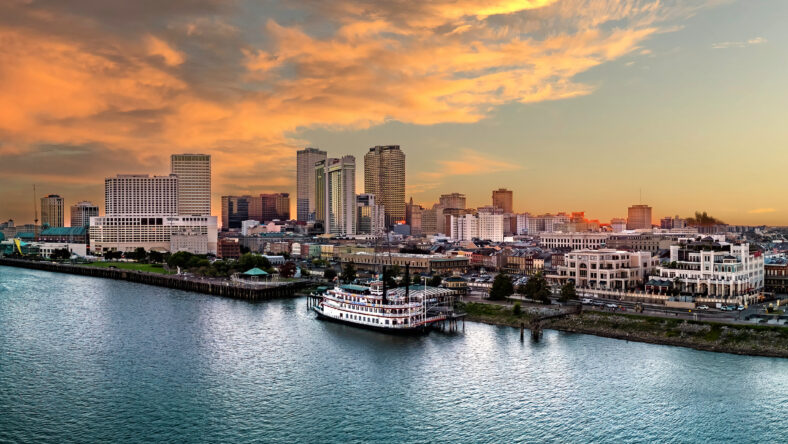
Today, Marie Laveau’s legacy lives on in the city of New Orleans. Tourists and locals alike still visit her tomb to leave offerings, pay their respects, and ask for advice.
Sign up for Chip Chick’s newsletter and get stories like this delivered to your inbox.

By Emily Chan
Emily Chan is a writer who covers lifestyle and news content. She graduated from Michigan State University with a degree in... More about Emily Chan