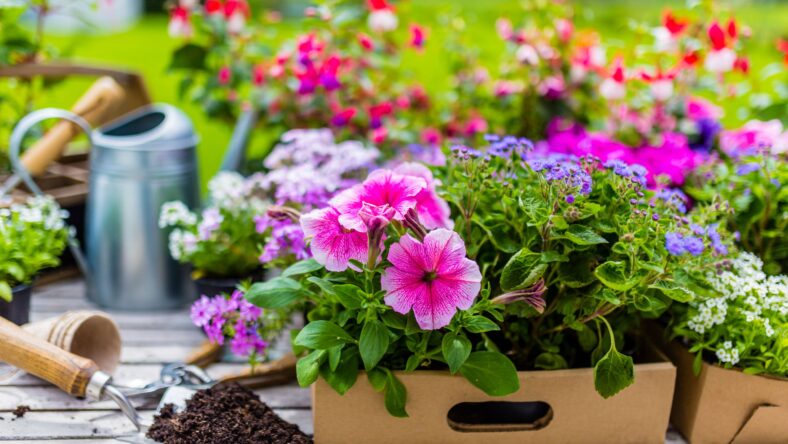
Spring is right around the corner, and if you’re like most people, you’re totally over the cold and ready to get back outside in some warm weather. Plus, if you’re a gardener, you likely can’t wait to get your hands dirty again.
But you don’t have to wait until the season officially starts. In fact, you can trade in your cozy blankets for a pair of gardening gloves right now and start jumpstarting your property for the blooming season.
So, here are eight ways to prep your garden beds and ensure that you make the most of this spring.
1. Assess And Clean Up Your Garden
For starters, you can thoroughly evaluate the current state of your garden and look for any signs of plant disease or pest infestations that might have occurred over the winter.
You can also remove any debris, such as fallen branches or dead leaves, and get rid of weeds that can compete with your plants for nutrients. This cleanup process is crucial for preventing diseases and pests from spreading.
2. Soil Testing And Enrichment
Your soil’s health is fundamental to your garden’s success this spring, too. So, you should test the soil for pH level and nutrient content.
Depending on the results, you may need to add amendments like compost, manure, or specific fertilizers to enrich the soil. Either way, properly conditioned soil ensures that your plants will have the nutrients they need to grow.
3. Pruning Perennials And Shrubs
Pruning is essential for the health of perennials and shrubs as well. So, you can remove any dead or damaged branches to encourage new growth.
Just be cautious when it comes to timing because pruning at the wrong time can actually lead to a loss of flowers or fruit. Each plant species also may have specific pruning needs and ideal times, so it’s worth doing a bit of research.
4. Planning Your Plant Selection
Next, you can get started on the fun part– deciding what you want to plant this season.
You should consider factors like the sunlight and soil conditions in different parts of your garden. Then, choose a mix of perennials and annuals for longer-lasting blooms.
During this planning process, be sure to consider the heights, colors, and bloom times of different plants. This will help you create a garden that’s both aesthetically pleasing and balanced.
5. Starting Seeds Indoors
Now, for those in cooler climates, starting seeds indoors can actually extend your growing season.
You can use seed trays and a suitable growing medium to ensure they get enough light and warmth. And this early start can be even more beneficial for plants that take longer to mature.
6. Prepare For Pests And Weeds
It’s a good idea to implement preventative measures against pests and weeds early on in the season, too. You can lay down mulch to suppress weed growth and retain soil moisture.
Additionally, you may want to consider natural pest control methods, like encouraging beneficial insects or using organic repellents.
7. Watering Wisdom
Before the spring fun begins, you’ll also want to establish a consistent watering routine.
It’s crucial to remember that, yes, under-watering is detrimental, but over-watering can be just as harmful. So, try to water deeply but infrequently in order to promote deep root growth.
Early morning is also the best time to water, reducing evaporation and fungal growth.
8. Keep A Gardening Journal
Last but not least, you can start a journal to document your garden’s journey and stay better informed for next year.
Take note of what works and what doesn’t, as well as bloom times and any pest or disease issues. This record will be invaluable for planning and improving your garden year after year.
Sign up for Chip Chick’s newsletter and get stories like this delivered to your inbox.

By Katharina Buczek
Katharina Buczek graduated from Stony Brook University with a degree in Journalism and a minor in Digital Arts. Specializing in... More about Katharina Buczek