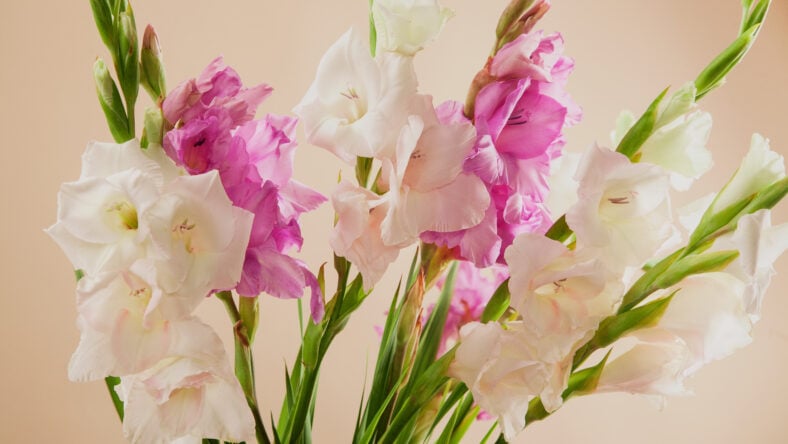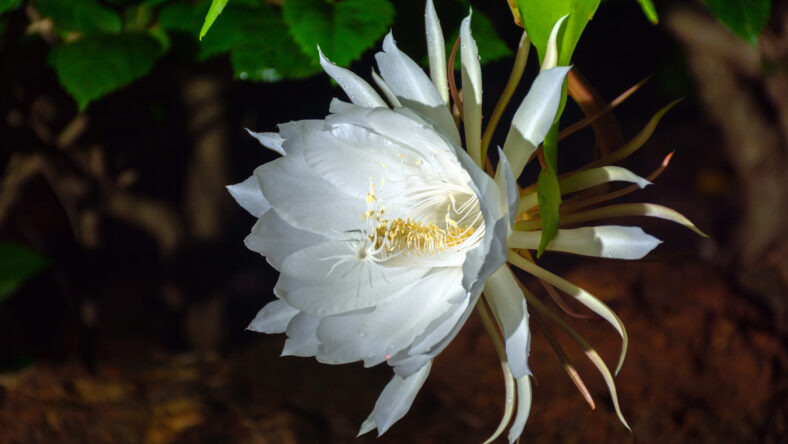
The Queen of the Night flower has something of a flair for drama, as it is mysterious, fleeting, and intoxicating. The legendary bloom can only be seen under the moonlight.
It belongs to the cactus family and blooms for just one night each year after dark, wilting by dawn. It’s one of the most enchanting and elusive plants in the world.
The flower has massive white blossoms that seem to glow in the dark, as well as a captivating scent. It is considered a symbol of fortune, attracting abundance, prosperity, and good health.
This species is native to southern Mexico, Guatemala, and most parts of Central America and northern South America. It thrives in tropical climates.
It reaches up to 10 feet tall in its natural habitat but is smaller when grown in pots or gardens. The flowers themselves are up to 12 inches long and eight inches wide. The plant typically blooms in late spring or early summer.
When the Queen of the Night finally blooms, it’s a sight to behold. Once the sun sets, the flowers gradually unfurl their petals throughout the night. Bats and moths are drawn to the sweet fragrance.
When pollinated, the pearly white flowers become oblong, reddish-purple fruits that are similar in taste to passionfruit.
Growing and Caring for Queen of the Night
Queen of the Night does not require full sun. Direct sunlight can scorch the leaves. If grown outside, it should be given partial shade. If grown inside, place it in an east or north-facing window.
Sign up for Chip Chick’s newsletter and get stories like this delivered to your inbox.
The plant needs moist, well-draining soil specifically designed for cacti or succulents. The soil should be slightly acidic with a pH between 5.5 and 6.5.
During the growing season, water the plant regularly. The top inch of soil must dry out between waterings to prevent the soil from becoming waterlogged. Queen of the Night enjoys temperatures between 50 and 80 degrees. It also prefers high humidity levels since it is a tropical plant.
Fertilize in the spring or summer with organic compost. Do not fertilize in winter. Every two to three years, repot the plant in a clay pot and change out the soil.
Queen of the Night’s Most Common Problems
Like any plant, Queen of the Night can encounter issues like pests and diseases. Mealybugs, spider mites, and scale pests are the most frequent attackers of Queen of the Night.
They feed on the sap of the plant to survive, which can weaken its growth. Inspect your plant regularly for any signs of pests. You can apply insecticidal soap, neem oil, or alcohol on the leaves to get rid of pests.
Queen of the Night is prone to fungal diseases, such as powdery mildew and anthracnose. They cause the leaves, stems, and flowers to develop dark, sunken blemishes. If this happens, refrain from overwatering and improve air circulation around the plant.
In addition, watch out for root rot, which occurs from overwatering or poor drainage. Symptoms include wilting leaves and soft, brown roots.

By Emily Chan
Emily Chan is a writer who covers lifestyle and news content. She graduated from Michigan State University with a degree in... More about Emily Chan