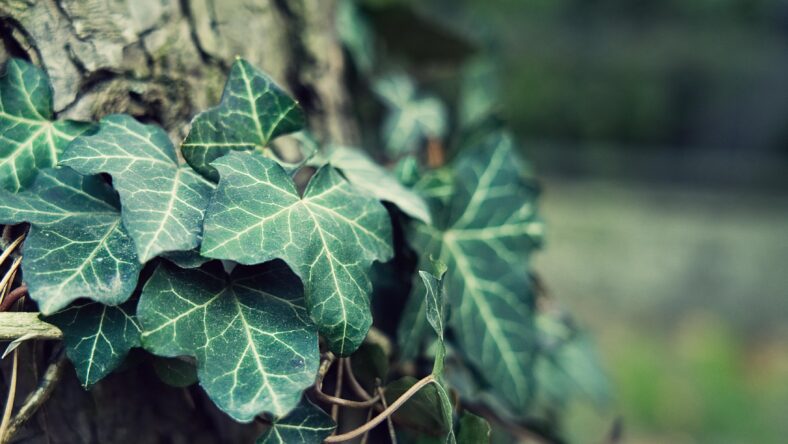
We all love some greenery in our backyards, but poison ivy is like that uninvited guest at a dinner party—nobody really wants it around.
Not only does it have that notorious reputation for causing a maddening itch if touched, but it also takes valuable nutrients away from other plants in your garden.
So, as we plunge deeper into the fall season, it’s a great time to roll up those sleeves and show poison ivy the door. Here’s why and how to do it.
Know Your Enemy
Before you go all Rambo on these plants, it’s crucial to know what you’re dealing with.
Poison ivy usually has a cluster of three shiny leaves. The colors can vary, but they’re often green during the growing season, turning a bit reddish as fall approaches.
Don’t let their seemingly innocent appearance fool you; their urushiol oil can cause a rash even from the slightest contact.
That’s why it’s important to suit up for success. Your outfit for this mission should include long sleeves, gloves, and eye protection. Think of it as your armor in this botanical battlefield.
Oh, and don’t forget to cover your ankles—poison ivy loves a sneak attack.
Herbicides: A Viable Option
Herbicides like glyphosate or triclopyr can be effective in killing poison ivy, but remember, they’re non-selective, meaning they’ll kill other plants they come in contact with as well.
Always read the label for proper application and safety measures. And hey, it’s important to know that a little wind can blow the herbicide onto other plants. So, keep an eye on the weather.
Hand-Pulling: The Old-Fashioned Way
If chemicals aren’t your thing, there’s always the option of pulling out the plants manually. But a heads-up here—this method is not for the faint-hearted.
You’ll need to get to the root of the issue, literally. This is because if any root fragments are left in the soil, the plant will make a comeback faster than a pop star’s revival tour.
Think Again Before Burning
It might seem tempting to just set the darn thing on fire, but trust us, you don’t want to go down that path.
Burning poison ivy releases urushiol into the air, and inhaling that is a whole new level of misery you do not want to experience.
Dispose Of Poison Ivy Responsibly
And once you’ve eradicated the plant, don’t just throw it in the compost pile. Instead, seal it in a plastic bag and dispose of it properly.
Some cities also have special disposal instructions for noxious plants, so check your local guidelines.
Aftercare And Garden Monitoring
Immediately after your mission, be sure to wash all the clothing you wore and clean the tools you used. And maybe indulge in a nice, warm shower yourself—just to be safe.
Also, be sure to regularly monitor your garden for poison ivy comebacks. New shoots may appear, so keep an eye out and deal with them promptly.
After all, the last thing you want is a sequel to this leafy horror story.
If true crime defines your free time, this is for you: join Chip Chick’s True Crime Tribe
These Festive Yet Subtle Milk Nail Designs Scream Elegance And Are Perfect For Ringing In The Season
Sign up for Chip Chick’s newsletter and get stories like this delivered to your inbox.

By Katharina Buczek
Katharina Buczek graduated from Stony Brook University with a degree in Journalism and a minor in Digital Arts. Specializing in... More about Katharina Buczek