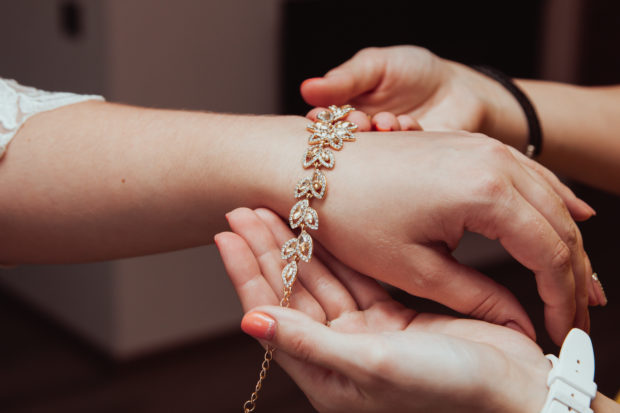
If you are a fan of jewelry, then I am willing to bet that you have at least one gold-plated necklace or bracelet in your collection.
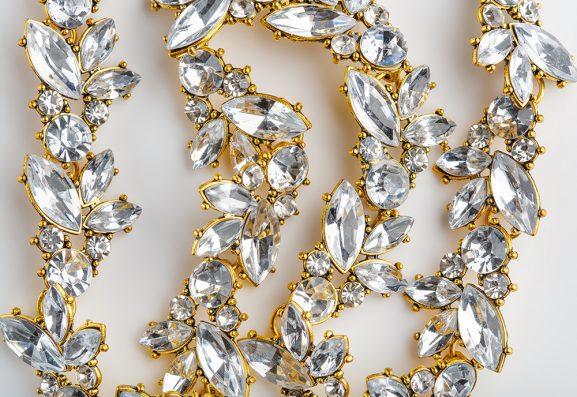
And honestly, the invention of this accessory option was revolutionary– expanding accessibility and allowing people to look like they are wearing gold without emptying out their pockets.
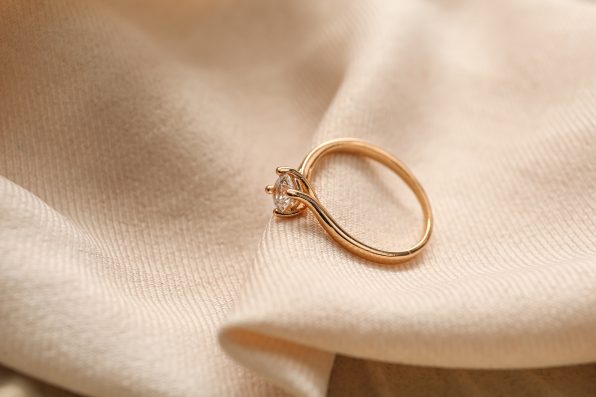
Unlike solid gold, gold-plated jewelry is actually composed of base metal– such as copper, brass, or stainless steel. Then, the jewelry goes through a “plating process” and is covered with a thin layer of gold.
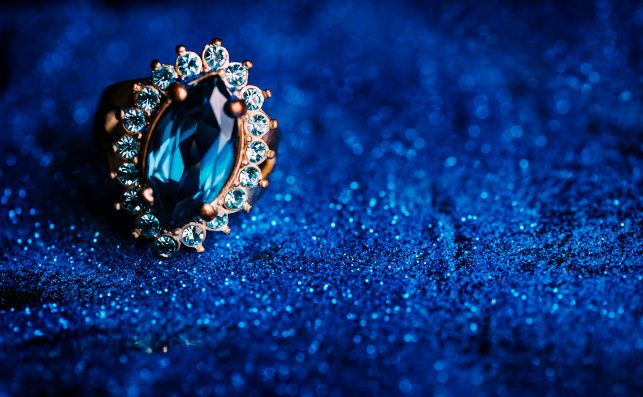
While this kind of gold jewelry innovation may have been a money-saving hack for the ages, though, owners of gold-plated pieces eventually face the same frustrating fate.
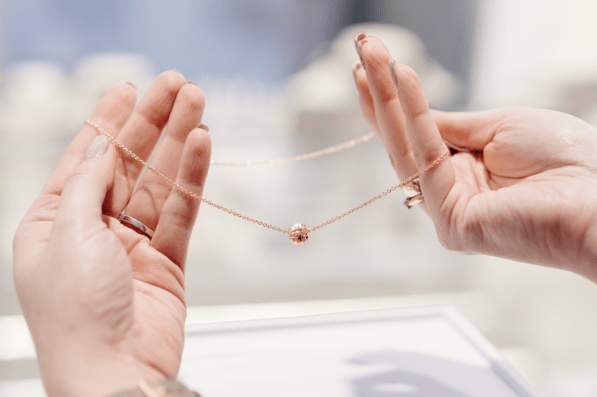
I’m talking about when the thin gold plating undergoes wear and tear and fades– leaving owners with a discolored piece of jewelry.

But you might be shocked to learn that it does not have to be this way. In fact, gold– even in a thinly plated quantity– is still a highly durable material as long as it is given proper care.
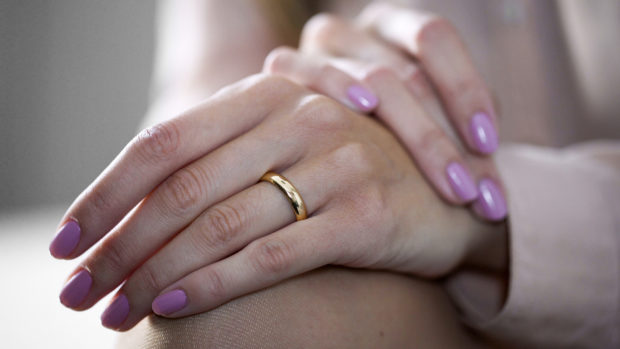
So, let’s go over four key steps that you can take to prevent tarnish and keep your jewelry wearable for a whole lot longer.
Soft Cloths Are Your Best Friend
It is recommended that you clean any gold-plated jewelry pieces every three to six months in order to maintain shine and protect against wear and tear. But, it is important to stay far away from polishing cloths– which will actually strip away the gold plating and reveal the base metal underneath.

Instead, purchase a soft and non-abrasive cloth and begin by gently rubbing the surface of your jewelry. You may also clean and spot-treat on an as-needed basis.

For a deep clean, it is recommended that you mix warm water and dish soap in a small bowl. Then, plop your jewelry pieces in for just a few minutes. Afterward, remove, rinse and wipe clean.

It is crucial to note that antibacterial soap should not be used since the chemicals may tarnish gold-plating. Plus, if you are ever worried about starting the cleaning process at home, you can also bring your jewelry to a professional.

Stay Away From Water
If you have a favorite piece of gold-plated necklace that you never take off– not even to shower– then it is actually undergoing a lot of unnecessary wear.

In fact, salt water, chlorine, and even freshwater– like our showers– can damage gold-plated pieces by leading to dulling or erosion. The soaps we use also leave behind a thin film coating on our jewelry, causing the pieces to appear a lot duller.
So, next time you go to hop in the shower or dive into the pool, remember to take off your gold-plated jewelry first.

Practice Perfume Awareness
This preventative effort might seem random, but it is of the utmost importance. If you have ever gotten ready for a night out, you may have put your jewelry and makeup on first. Then, right before you headed out of the house, you likely threw on a few spritzes of perfume.
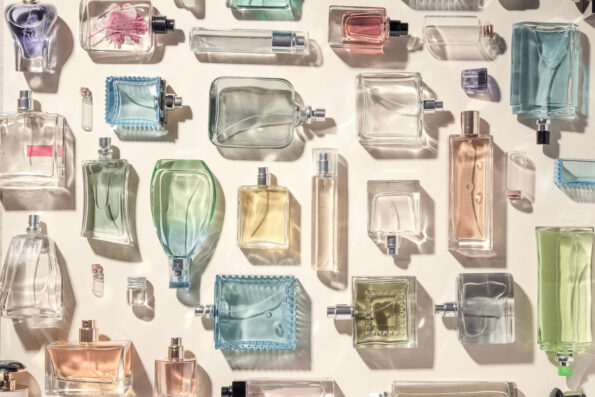
According to jewelry experts, though, this is the totally wrong order. In fact, spraying perfume on top of gold-plated jewelry can actually create a reaction that is similar to oxidation. In other words, your gold necklace or bracelet will ultimately turn black.

So, one golden rule to remember is to always put on gold-plated jewelry last. This same rule applies when doing makeup, applying hairspray, and even putting on deodorants.

Have A Storage Strategy
While cleaning your favorite necklace or bracelet may seem like the most important tool to combat tarnishing, properly storing jewelry is equally as important.

It is best to put away any gold-plated jewelry in a case, pouch, or jewelry box in order to protect against wear and fade. You should also store your pieces in dark, dry, and cool places– since humidity and heat can contribute to tarnishing.

Finally, keeping each jewelry piece separated from others can prevent additional forms of accidental wear and tear– for instance, scratching or chipping.

By Katharina Buczek
Katharina Buczek graduated from Stony Brook University with a degree in Journalism and a minor in Digital Arts. Specializing in... More about Katharina Buczek