If you’ve ever dreamt of plucking juicy peaches straight from your backyard without turning into a full-time farmer, then you’re in luck. Growing your very own peach tree is actually less about having a green thumb and more about knowing a few handy tricks.
Originating from the landscapes of China, peach trees have made their way into gardens, desserts, and hearts worldwide– offering both stunning blooms and delicious fruits.
So, whether you’re a gardening newbie or just someone looking to shake up their landscaping game, here’s everything you need to know to successfully grow a peach tree.
Origins And Appearance
Originally hailing from Northwest China, peach trees have journeyed all across the world to become a beloved staple in many gardens.
These deciduous trees can actually reach up to 25 feet tall, but many garden varieties are bred to be compact, making them perfect for the smaller spaces of modern backyards.
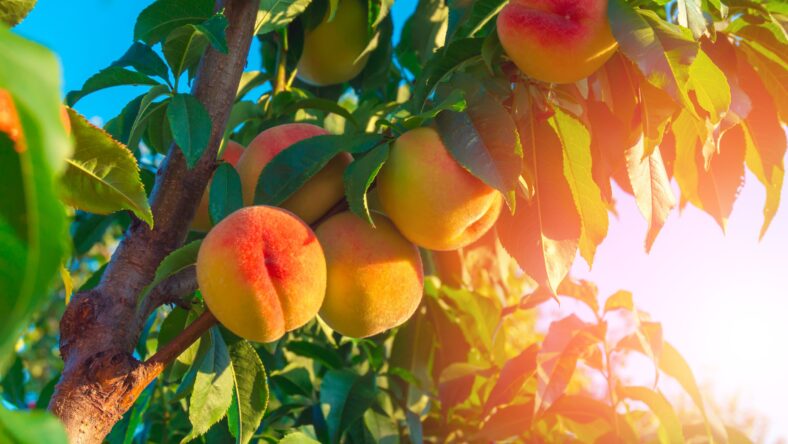
In spring, they’re adorned with a spectacular display of pink or white blossoms, followed by lush green foliage. Then, come summer, the branches hang heavy with the fruits of your labor– literally.
Growth Timeline And Seasonal Preferences
Patience is definitely key when it comes to growing peach trees– because from the moment you plant a young tree, it might take three to four years before you see any fruit. But trust us, the wait is well worth it.
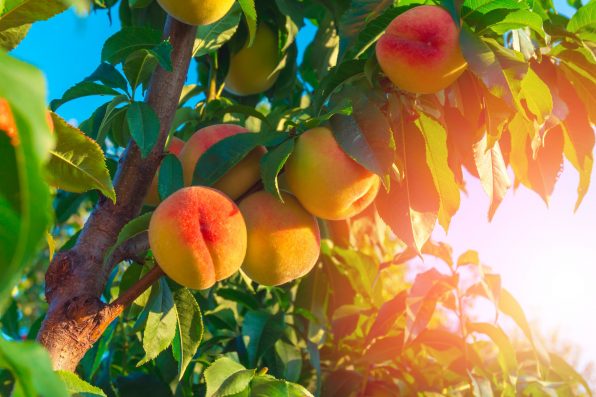
Peach trees thrive in warmer climates and need a certain number of chilly hours (or below 45°F) in the winter to produce fruit. However, this chilling requirement varies by variety, so pick one that suits your local climate.
Spring is also the best time to plant, giving the tree plenty of time to establish its roots before the heat of summer.
Planting And Growing: The Basics
To get started, choose a sunny spot in your yard. Peach trees absolutely love the sun and need about six to eight hours of direct sunlight a day. But, they’re not too picky about soil, as long as it’s well-draining.
When planting, you should dig a hole twice as wide and just as deep as the root ball. Then, just gently place your tree in the center and fill it back in.
Afterward, be sure to water it well. You can also consider adding a layer of mulch around the base to retain moisture and regulate soil temperature.
Maintenance And Care
Maintaining regular, consistent care is crucial for your peach tree’s success.
First, watering is key, especially during the first few years and in dry periods. A slow, deep watering method works best, encouraging the roots to grow deep and strong.
You should also fertilize in early spring before new growth starts and again in late spring or early summer to give your tree a nutrient boost.
Lastly, pruning is important, too, not just for shape and size but to improve air circulation and light penetration, which can help reduce disease and increase fruit quality.
Troubleshooting Common Issues
Now, even with the best care, issues can still arise. Pests and diseases are the main culprits of peach tree woes.
So, keep an eye out for signs of trouble like wilting leaves, holes in the fruit, or a powdery white substance on leaves.
Integrated pest management (IPM) strategies can also help manage these issues with minimal chemical intervention. These strategies focus on prevention, monitoring, and using less toxic pest control methods first.
Sign up for Chip Chick’s newsletter and get stories like this delivered to your inbox.

By Katharina Buczek
Katharina Buczek graduated from Stony Brook University with a degree in Journalism and a minor in Digital Arts. Specializing in... More about Katharina Buczek