Off the coast of Nyinggulu, Western Australia, deep-sea researchers have discovered hundreds of previously undetected species in underwater canyons, including the elusive giant squid. This particular squid had not been recorded in Western Australian waters for over 25 years.
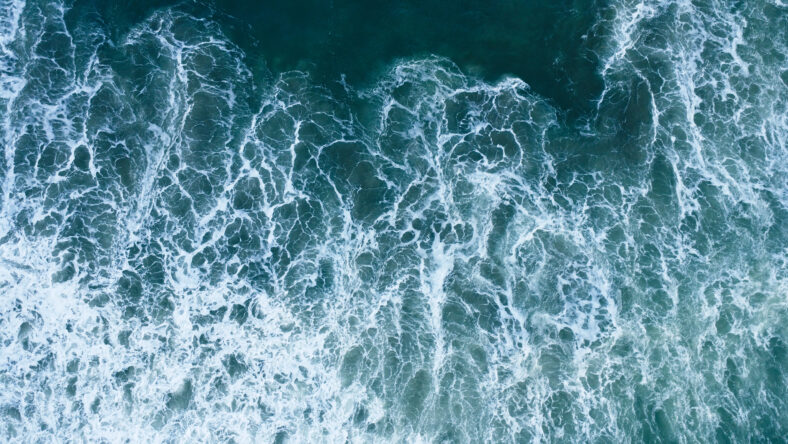
Researchers onboard the Schmidt Ocean Institute’s R/V Falkor explored the deep Cape range and Cloates submarine canyons. They collected more than 1,000 water samples up to 14,796 feet deep and tested the samples for environmental DNA, which is genetic material that animals naturally shed into the seawater.
The method helped scientists document what species live in the ocean depths without having to directly observe or capture them. It is a new, non-invasive way of further expanding scientific understanding of deep-water environments.
Without eDNA, many species, ecosystems, patterns, and more would remain hidden. The most surprising find was the presence of a giant squid (Architeuthis dux) in the Cape Range and Cloates Canyons across six different samples.
“This is the first record of a giant squid detected off Western Australia’s coast using eDNA protocols and the northernmost record of A. dux in the eastern Indian Ocean,” said Dr. Lisa Kirkendale, the head of Aquatic Zoology and Curator of Mollusks at the Western Australian Museum.
Previously, there were only two other records of giant squid from Western Australia. Giant squid can grow up to about 42 feet long and weigh over 600 pounds.
They also have eyes the size of dinner plates, the largest in the animal kingdom. Even though giant squids are massive, they are rarely ever spotted since they live thousands of feet below the ocean’s surface.
Overall, the researchers found evidence of 226 species across 11 major animal groups, including pygmy sperm whales—which unleash a cloud of intestinal fluid to distract predators while they make their escape—and Cuvier’s beaked whales, the deepest diving mammals in the world.
In addition, dozens of species that had never before been recorded in Western Australian waters were detected, including the sleeper shark, the slender snaggletooth, and the faceless cusk eel.
Sign up for Chip Chick’s newsletter and get stories like this delivered to your inbox.
“Finding evidence of a giant squid really captures people’s imagination, but it’s just one part of a much bigger picture,” said Dr. Georgia Nester, the lead author of the study.
“We found a large number of species that don’t neatly match anything currently recorded, which doesn’t automatically mean they’re new to science, but it strongly suggests there is a vast amount of deep-sea biodiversity we’re only just beginning to uncover.”
Learning more about deep-sea biodiversity would give scientists a clearer picture of what species are present in certain areas of the ocean.
Improved knowledge could help inform marine park planning and management, assess environmental impacts and monitor changes over time.
The findings of the study were published in the journal Environmental DNA.

By Emily Chan
Emily Chan is a writer who covers lifestyle and news content. She graduated from Michigan State University with a degree in... More about Emily Chan