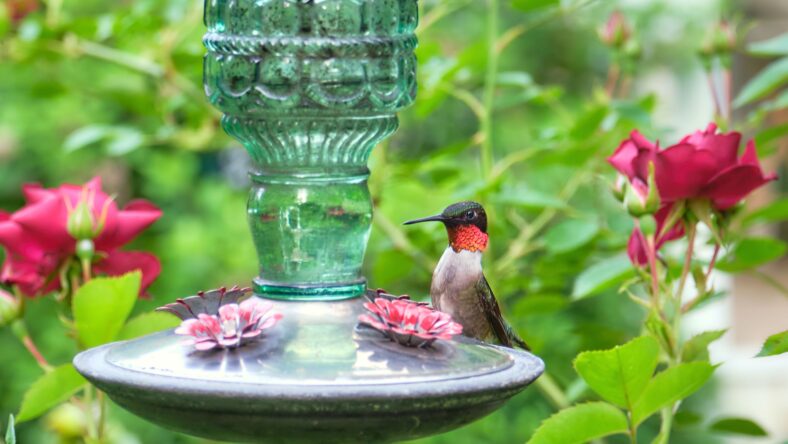
There’s something just magical and majestic about hummingbirds.
These tiny, vibrant birds, known for their incredible agility and the buzzing sound of their rapidly beating wings, have captivated the hearts of bird watchers and garden enthusiasts alike.
But, in order to invite these fascinating feathered friends into your garden, you must understand their migratory patterns, as well as the best practices for maintaining a hummingbird-friendly environment.
A Glimpse Into The World Of Hummingbirds
Hummingbirds, primarily found in the Americas, are a marvel of evolution. Their ability to hover in mid-air, thanks to their unique wing structure, sets them apart in the bird kingdom.
Ranging in size from the tiny bee hummingbird to the larger species, they also showcase a dazzling array of colors, often with iridescent feathers that shimmer in the sunlight.
This vivid plumage not only adds a splash of color to your garden but also plays a crucial role in their mating rituals and territorial displays.
Timing Is Everything: When To Hang Your Hummingbird Feeders
Now, the ideal time to put out hummingbird feeders will largely depend on your geographical location.
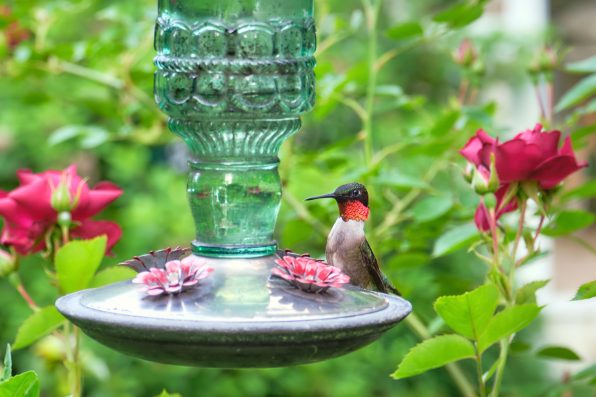
Typically, these birds start migrating northward in early spring. So, a good rule of thumb is to hang your feeders about two weeks before their expected arrival in your area. This ensures that early migrants find a reliable food source in your garden.
For most regions, this means setting up feeders by late February to early April. However, you can keep an eye on local birding reports in your area for a more precise timeline.
Feeding Hummingbirds Offers Mutual Benefits
Setting up feeders in your garden does more than just provide a delightful show to watch. It also supports hummingbirds during their migration and breeding seasons when natural nectar sources might be scarce.
These feeders become crucial pit stops for these tiny energetic birds, offering them the sustenance they need to thrive and continue their journey.
Tips And Tricks For Hummingbird Feeder Success
A successful hummingbird feeder setup should involve strategic placement in a sheltered yet visible spot near natural shelters like trees or shrubs. At the same time, it should also be open enough to avoid predator ambushes.
Next, it’s crucial to keep feeders away from windows to prevent collisions, which are a common hazard for these fast-flying birds. And if multiple feeders are used, spacing them out helps as hummingbirds can be territorial.
Regular cleaning, at least once a week or more in hot weather, is crucial, too. This prevents mold growth and fermentation, which can harm the birds.
In terms of food, using clear, homemade sugar water– four parts water to one part white sugar– instead of red-dyed nectar is advisable as well since the dye can be harmful. Also, be sure to change the nectar frequently, every few days or daily in hot conditions, to keep it fresh.
Last but not least, incorporating native flowering plants in your garden will not only add natural beauty but also provide additional natural nectar sources for the hummingbirds.
Sign up for Chip Chick’s newsletter and get stories like this delivered to your inbox.

By Katharina Buczek
Katharina Buczek graduated from Stony Brook University with a degree in Journalism and a minor in Digital Arts. Specializing in... More about Katharina Buczek