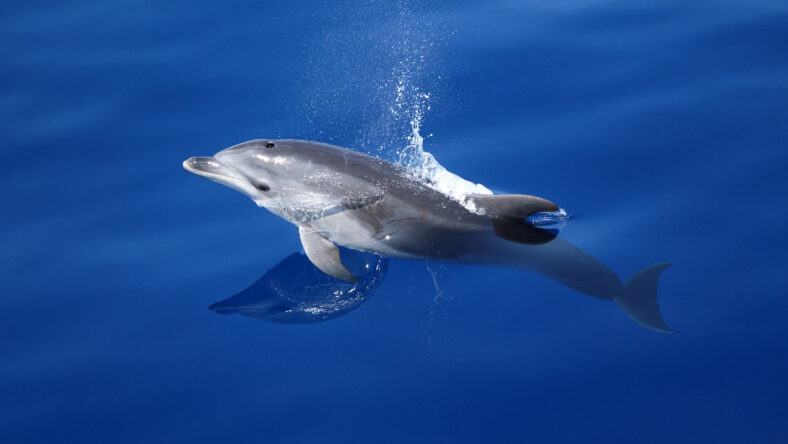
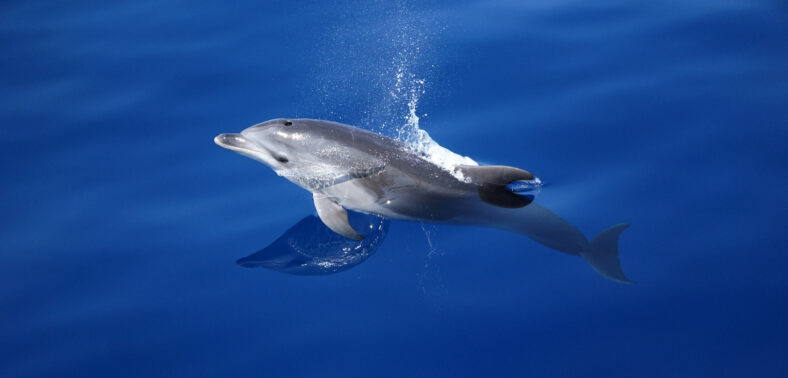
In 2013, scientists noticed that the local bottlenose dolphin population living in Florida’s Indian River Lagoon was struggling.
Of the 337 or so dolphins that were observed, 64 percent were underweight, five percent were emaciated, and eight percent died. At the time, it was considered to be an unusual mortality event.
Now, investigations have revealed that the dolphins may have starved to death because prey in key habitats were killed by a major phytoplankton bloom.
The bloom was caused by a buildup of fertilizer, runoff from septic tanks, and other byproducts of human activity rich with nutrients like nitrogen and phosphorus in the lagoon.
“We linked mortality and malnutrition to a decreased intake of energy following a shift in dolphins’ diets,” said Dr. Charles Jacoby, a co-author of the study from the Florida Flood Hub for Applied Research and Innovation.
“We linked the dietary shifts to changes in prey availability, and we connected changes in prey to system-wide reductions in the abundance of seagrass and drifting macroalgae. These reductions were driven by shading from an intense, extensive, and long-lasting bloom of phytoplankton.”
Bottlenose dolphins are large marine mammals that can live for a long time. They eat many different types of prey, so they will feel the effects of any disruptions to the local ecosystem.
The phytoplankton bloom occurred in 2011, two years before the mortality event. The bloom shaded macroalgae and bottom-dwelling seagrass in large sections of the lagoon. They died off, which spelled trouble for the dolphins’ prey, and in turn, affected the dolphins’ ability to hunt.
The research team analyzed the isotopes from muscle biopsies of stranded dolphins that were collected between 1993 and 2013.
Sign up for Chip Chick’s newsletter and get stories like this delivered to your inbox.
The ratios of stable isotopes of carbon and nitrogen in muscle from dolphins were similar to the ratios in their prey.
The scientists detected a shift in the dolphins’ diet from 2011 to 2013. The creatures ate more sea bream and less ladyfish, which is a more energy-dense fish associated with seagrass. It also aligned with the diminishing seagrass and macroalgae habitats over the same period of time.
The change from ladyfish to sea bream meant that the dolphins needed to eat about 15 percent more prey to obtain the same amount of energy.
“In combination, the shift in diets and the widespread presence of malnourishment suggest that dolphins were struggling to catch enough prey of any type,” said Wendy Noke Durden, a co-author of the study from Hubbs-SeaWorld Research Institute.
“The loss of key structural habitats may have reduced overall foraging success by causing changes in the abundance and distribution of prey.”
Phytoplankton blooms are part of a productive ecological system, but they can be harmful when an overabundance of nutrients enters the environment. Humans must manage their activity levels to maintain healthy ecological systems.
The study was published in Frontiers in Marine Science.

By Emily Chan
Emily Chan is a writer who covers lifestyle and news content. She graduated from Michigan State University with a degree in... More about Emily Chan