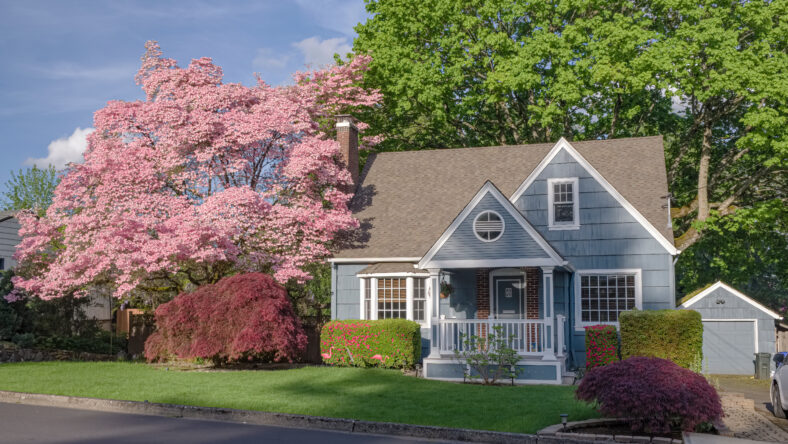
In 2009, a couple named Warren and Maureen Nyerges bought a house with cash in Naples, Florida. They were able to pay off their house in full and didn’t have a mortgage. However, Bank of America foreclosed on it anyway.
The Nyerges had paid Bank of America $165,000 cash for a 2,700-square-foot foreclosed home. About four months later, they received a knock on their door and were handed a notice of foreclosure.
Warren made many phone calls to the bank and even wrote a certified letter to the bank’s president, but was given the runaround. He called 25 different law firms before he finally found someone willing to take the case.
The situation was not resolved until he finally hired an attorney named Todd Allen. The foreclosure was dismissed two months later.
It turned out that the bank had the couple confused with the previous owner of the house, who actually did have an outstanding loan.
Warren learned that his name had somehow been transferred from purchase agreements onto the prior foreclosure.
According to the Nyerges’ lawyer, Todd Allen, it would have taken about 15 minutes to double-check bank records and prevent the foreclosure from going through in the first place.
When the foreclosure was reversed, the court also agreed that Bank of America should cover the Nyerges’ legal fees of about $2,500.
The bank was notified of the order, yet five more months passed without any payment. Warren called and wrote to the bank, but didn’t receive any response.
Sign up for Chip Chick’s newsletter and get stories like this delivered to your inbox.
So, he went back to court and obtained a writ of execution, which allowed him to seize Bank of America’s assets for his payment. He showed up at the local branch on June 3, 2011, with a moving truck and two sheriff’s deputies.
The deputies told the branch manager to pay the $2,500; otherwise, the movers would start taking away the furniture. After consulting with superiors, the branch manager produced a check for $5,772.88, on which Warren’s name was misspelled.
“The branch manager was visibly shaken,” said attorney Todd Allen. “At that point, I was willing to take the desk and the chair he was sitting in.”
According to Todd Allen, Bank of America apologized for the delay in payment, but they never apologized for the wrongful foreclosure. Apparently, the original request for the payment went to an outside attorney who was no longer in business.
The Nyerges’ case was not the first time that Bank of America wrongfully foreclosed on a property owned by someone without a mortgage. A man from Fort Lauderdale bought a home in cash from Bank of America in 2009.
But in court, the foreclosure case continued, and a judge ruled that the property had to be sold. Bank of America did own up to their mistake and reversed the foreclosure.

By Emily Chan
Emily Chan is a writer who covers lifestyle and news content. She graduated from Michigan State University with a degree in... More about Emily Chan