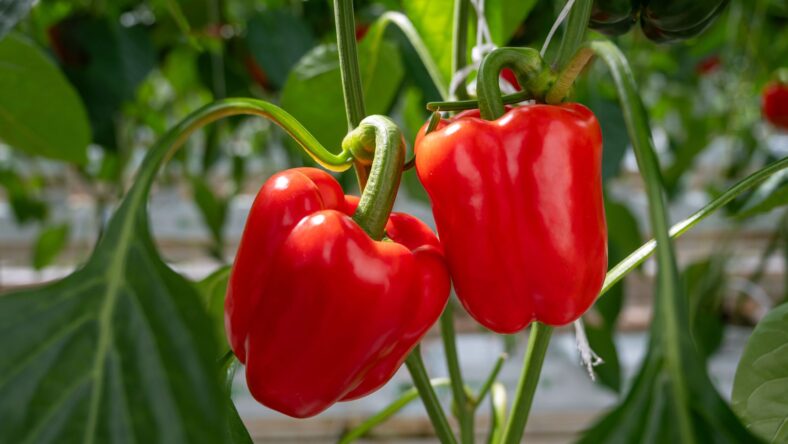
Bell peppers, known for their vibrant colors and sweet, crunchy texture, are a favorite among gardeners and food lovers alike.
Not only do they brighten up any dish, but they’re also packed with vitamins and are pretty fun to grow. In fact, whether you have a sprawling backyard or a modest balcony garden, cultivating bell peppers can be surprisingly straightforward.
So, here’s everything you need to know to successfully grow and care for bell peppers.
The Benefits Of Growing Bell Peppers In Your Garden
Growing bell peppers in your own garden comes with a plethora of perks. For starters, homegrown peppers tend to be fresher and more flavorful than their store-bought counterparts. They’re also healthier, as you control what goes into and onto them — no worrying about pesticides or preservatives.
Additionally, bell peppers are relatively low maintenance and can thrive in containers, making them perfect for gardeners with limited space.
Lastly, on the aesthetic front, their range of colors, from red and yellow to green and purple, can make your garden look like a vibrant artist’s palette.
Choosing The Right Bell Pepper Variety
Selecting the right variety of bell peppers can make a significant difference in your gardening experience.
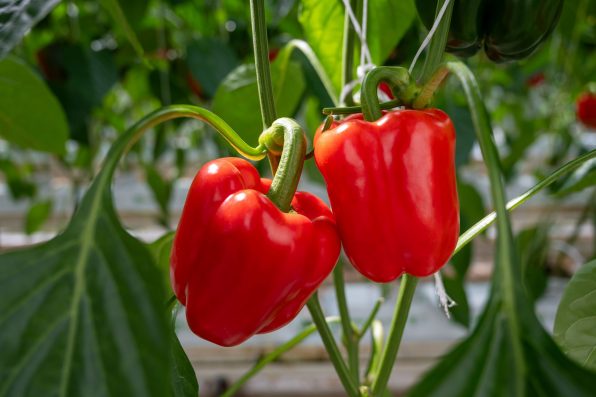
Always be sure to consider your climate and the length of your growing season. Some varieties mature faster, while others might need a longer warm period.
Sweet bell peppers like “California Wonder” and “Bell Boy” are popular for their robust growth and classic flavor. For something a bit different, try “Purple Beauty” for its stunning hue and sweet taste.
Just be sure to choose disease-resistant varieties to minimize any future horticultural headaches.
Planting Bell Peppers
Bell peppers love the sun and thrive in warm, well-drained soil. So, you should start seeds indoors about eight to 10 weeks before the last frost date in your area. It’s best to use a light, seed-starting mix and keep the soil moist but not waterlogged.
Then, once the seedlings have sprouted and the danger of frost has passed, transplant them outdoors in a sunny spot. You should space them about 18 to 24 inches apart to give each plant plenty of room to grow. Additionally, adding a layer of mulch can help retain soil moisture and keep weeds at bay.
Caring For Bell Peppers
Now, consistent care is key to thriving bell pepper plants. You must water them regularly, especially during dry spells, to keep the soil evenly moist. After all, a steady supply of water helps prevent issues like blossom end rot.
Thereafter, feed your peppers a balanced fertilizer every four to six weeks to support their growth. As they grow, you might also need to support them with stakes or cages to keep the plants upright and protect the peppers from touching the ground and rotting.
Harvesting Bell Peppers
You can harvest bell peppers when they’re green, or you can wait for them to ripen and sweeten as they turn red, yellow, or purple. The right time to pick them just depends on the color and size you desire.
Once you decide it’s time to harvest, use a sharp pair of garden shears or a knife to cut the fruit from the plant to avoid damaging the branches. Regular harvesting will encourage the plant to produce more fruit throughout the season, too.
Using Bell Peppers In Your Cooking
Bell peppers are incredibly versatile in the kitchen. You can enjoy them raw in salads, sliced for dips, or roasted and stuffed as a main dish!
They’re fantastic for adding sweetness and color to stir-fries, pizzas, and even pastas. Because of their mild, sweet flavor, they pair well with a variety of meats and other vegetables, making them a staple in many culinary traditions around the world.
Tackling Common Problems
While bell peppers are generally hardy, they can still encounter a few common issues, like blossom end rot, aphids, and fungal diseases.
So, try to maintain consistent soil moisture and consider using calcium supplements to prevent blossom end rot. Also, keep an eye out for pests and manage them with insecticidal soap or neem oil.
Lastly, proper spacing and airflow can help prevent most fungal diseases. However, if problems persist, a fungicide might be necessary.
Sign up for Chip Chick’s newsletter and get stories like this delivered to your inbox.

By Katharina Buczek
Katharina Buczek graduated from Stony Brook University with a degree in Journalism and a minor in Digital Arts. Specializing in... More about Katharina Buczek