For nearly five years, a young girl lived with a pack of dogs after she was abandoned by her neglectful parents.
During that time, she learned to mimic some of their behaviors. The girl in question, Oxana Malaya, was only three-years-old when she went to live with the dogs.
She had been desperate for warmth and shelter on a freezing cold night in the 1980s. Her parents struggled with alcoholism and had left her outside.
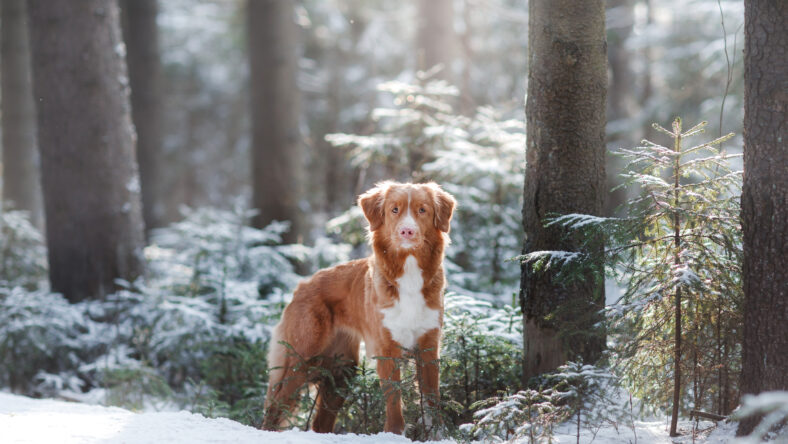
As a result, Oxana followed her dog Naida into her kennel and slept there. Later on, they were joined by more stray dogs and became a pack.
When Ukrainian authorities found her, they were shocked to discover her crawling around on all fours, eating food directly off the ground, cleaning herself with her tongue, and barking just like a dog.
Children like Oxana, who have been deprived of human contact from an early age, are often referred to as “feral children.”
Oxana Malaya was born on November 4, 1983, in Nova Blagovishchenka, Ukraine. She grew up in poverty, and her parents ignored her for much of her childhood.
According to the U.S. Sun, in a later interview with 60 Minutes, she said that her mom had too many kids and not enough beds for them all.
So, when she got locked out of the house overnight, her living space was relegated to the outdoors. Before long, she joined a group of local stray dogs, surviving on nothing but raw meat and other food scraps.
Eventually, she lost the ability to speak and communicated through barks and growls instead. She claimed that she could communicate with the dogs, saying, “I would talk to them, they would bark, and I would repeat it.”
No one noticed anything was amiss until Oxana barked at a neighbor. By the time authorities arrived to take Oxana away, she had already been assimilated into the pack.
The dogs viewed her as one of their own and defended her from what they perceived as a threat. In the end, officers had to lure the dogs away with food scraps so they could reach Oxana.
She was then brought to a children’s home, where she underwent specialized therapy and learned how to talk and walk upright.
The director of the facility described her as being “more like a little dog than a human child.” She picked up basic skills pretty quickly and was able to speak human language, but some of her dog-like behaviors still persisted.
“When I feel lonely…I crawl on all fours. This is how lonely I feel,” she said. “Because I have nobody, I spend my time with dogs; I go for walks and do anything I want to. Nobody notices that I walk on all fours.”
Despite her progress in learning to live like a human, doctors believe that she will never be completely rehabilitated.
Oxana is now around 40-years-old, but her level of development and mental capacity are comparable to that of a six-year-old. Today, she lives in a special care home where she looks after animals.
Oxana Malaya’s case has become a critical example in furthering the scientific debate between nature and nurture. It raises the question: What makes us human?
Sign up for Chip Chick’s newsletter and get stories like this delivered to your inbox.

By Emily Chan
Emily Chan is a writer who covers lifestyle and news content. She graduated from Michigan State University with a degree in... More about Emily Chan