Parilov - stock.adobe.com - illustrative purposes only, not the actual person - pictured above is a woman putting an ornament on a Christmas tree

Human content, AI powered search.

Sign up for our lifestyle newsletter: relationships, romance and real stories, straight to your inbox.
One of the most popular pets in the world is the goldfish. They are low-maintenance, inexpensive, quiet, and adaptable. They are also calming to watch because of their vibrant colors and graceful swimming.
However, many people release their pet goldfish into local lakes when they decide they no longer want to care for them. This actually has a huge impact on freshwater ecosystems.
Goldfish can live for more than 30 years in the wild and grow up to 18 inches long. New research has shown that they muddy up the water and compete with native fish for food, causing the populations of snails, tiny crustaceans, and other small creatures to drop.
"It is critically important to inform the public that their pets can become pests that will harm freshwater ecosystems. The evidence is now clear—releasing a goldfish into the wild might be seen as an act of kindness, but it can turn into a major ecological threat," said Dr. William Hintz, the lead author of the study and an associate professor at the University of Toledo.
The research team built 32 miniature experimental lake ecosystems representing two common environmental conditions and added goldfish to them.
The two conditions were nutrient-poor and nutrient-rich. Each ecosystem held about 320 gallons of water from Lake George, located in New York's Adirondack region.
They introduced different combinations of fish to the ecosystems, including six shiners, three native golden shiners, a mix of three shiners and three goldfish, or six goldfish alone.
The researchers monitored the ecosystems for 61 days and observed drastic declines. They found that the goldfish triggered a rapid deterioration in water clarity, with 81% more sediment floating in the water compared to tanks with only native fish.
Goldfish are bottom-feeders that root up everything from small animals to algae and decaying plant matter.
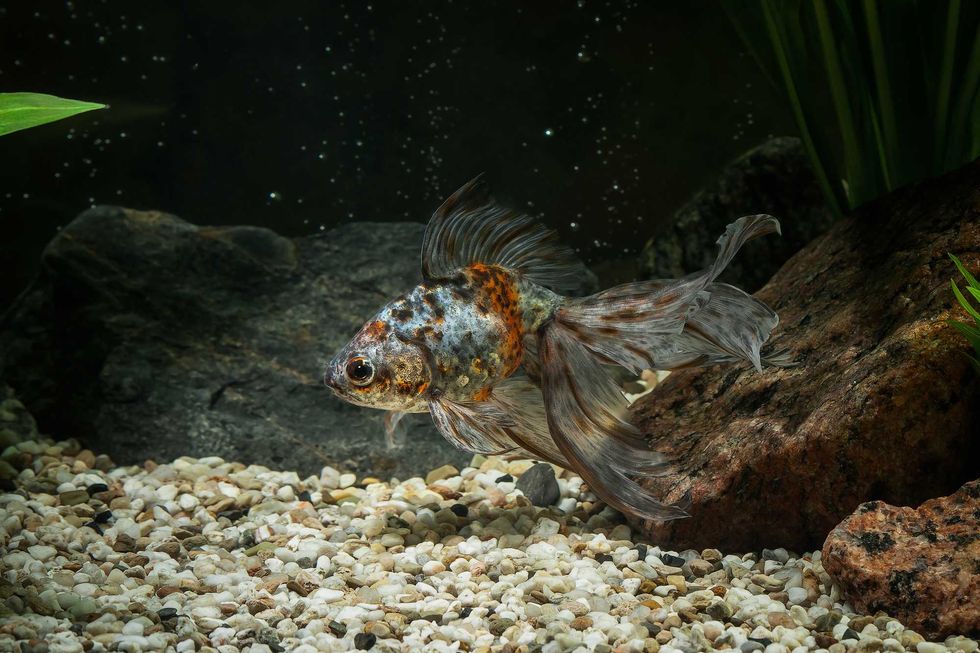 dionoanomalia - stock.adobe.com - illustrative purposes only
Sign up for Chip Chick's newsletter and get stories like this delivered to your inbox.
Native species, such as snails, crustaceans, and fish, also saw significant reductions in their numbers and were in physically worse shape.
In goldfish-only tanks, stringy algae dropped by as much as 90%, while snail populations fell 63% to 72%. The damage was most severe in nutrient-rich waters, but overall, no lake type was spared from the negative impact of goldfish.
"If goldfish are released into the wild, they rapidly grow into very large fish that stir up lake sediments, consume large numbers of prey, and compete with native fish," said Rick Reylea, a co-author of the study and a professor at the University of Missouri College of Agriculture, Food and Natural Resources.
Goldfish are among the most widely distributed ornamental fish in the world. Over the last decade, goldfish sightings in the wild have increased sharply, yet they still have not been officially declared an invasive species.
The researchers of this study are calling for natural resource managers to treat goldfish as an invasive species that needs serious intervention. They also want more public education campaigns to raise awareness of the consequences of releasing goldfish into lakes.
The findings were published in the Journal of Animal Ecology.