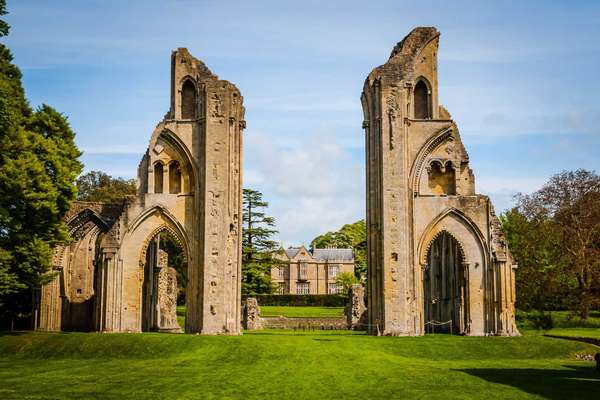
hardyuno - stock.adobe.com - illustrative purposes only, not the actual person - pictured above is Glastonbury Abbey

Human content, AI powered search.

Sign up for our lifestyle newsletter: relationships, romance and real stories, straight to your inbox.
More than 70 years ago, a schoolboy swiped an abbot's kneecap during a school trip to Glastonbury Abbey in Somerset, England. Now, the artifact has finally been returned.
The school trip took place in 1956, when George Box was 11 years old. He ducked under the ropes in the midst of a large archaeological dig, uncovering the remains of several abbots from the 13th century.
He stole a kneecap from the dig, along with a fragment of medieval tile. He easily slipped both items into his pocket. The theft went unnoticed for decades.
George Box kept the artifacts in a glass cabinet at his home in Australia. He moved to Australia in 1970. After his death in 2025, his widow brought back the kneecap to Glastonbury over the summer. The staff at the abbey were unaware that the kneecap had been taken until last year.
Before George passed away, he and his wife had agreed to return the kneecap to the abbey one day. So, George's widow finally restored the kneecap to its rightful place while on a trip to scatter his ashes in his hometown of Brent Knoll.
Apparently, George didn't want the return to happen until after he passed away, possibly due to embarrassment.
"In preparation for the artifacts' return, he made a box for their long journey—reminiscent of the medieval reliquaries that saints' bones and other items were kept in," wrote Glastonbury Abbey in a statement.
The staff worked diligently to identify the owner of the kneecap. They analyzed the graves that were excavated at the time of George's school trip and narrowed it down to one of three abbots.
These abbots died between 1250 and 1290: Abbot Amesbury, Abbot John of Taunton, or Abbot Petherton. The staff decided not to re-excavate the remains, as returning the kneecap would risk causing damage to the remains. That means the exact owner of the bone will stay a mystery.
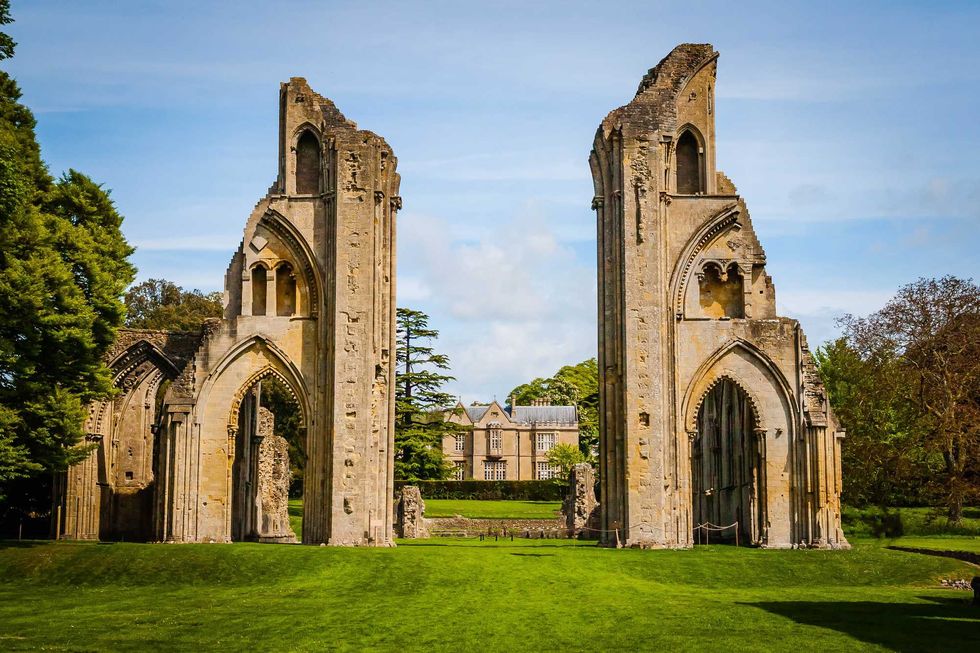 hardyuno - stock.adobe.com - illustrative purposes only, not the actual person - pictured above is Glastonbury Abbey
"The photographs we've got of the [excavated] tombs—we don't know whether they were taken before or after a schoolboy climbed in and helped himself to a bone," said Lucy Newman, the collections manager for Glastonbury Abbey.
Glastonbury Abbey was built in the seventh century. It underwent expansion during the 10th century and became the wealthiest monastery in England. It also has a rare example of a medieval kitchen that has survived all these years.
The abbey is best known for the discovery of King Arthur and Queen Guinevere's remains in 1191. In 1278, Edward I was present for their grand reburial at the abbey.
However, historians believe that the abbots of the time made up the whole discovery of the monarchs as a way to draw in pilgrims.
Currently, the kneecap is on display in the Glastonbury Abbey museum alongside other artifacts excavated on the site.
Sign up for Chip Chick's newsletter and get exclusive stories like this delivered to your inbox.